Therapy assessmentsmanual tests and findings via Datico® Smart Forms
Patient in everyday life · Datico® Life Apppain, well-being, exercises and wearable data – also after discharge
Datico® Life Hubone timeline per patient, across all devices and forms
Example timeline
Mr Maurer · week 6 after stroke
Gait speed · 10-m walk test0.91m/s
Arm robotics · range of motion42°
Pain · Life App (daily)3/10
Posture and gait analysis
Report
Report sent to the HIS
HIS and patient recordconsolidated reports automatically, e.g. via HL7 or FHIR
Therapy team · Datico® Control Centercourse, case conference, discharge report – and the treatment database with Intelligence Layer
Patient · Datico® Life Appfeedback from therapy, exercises and instructions for everyday life – also after discharge
Datico® does not replace the HIS: the Life Hub works as a subsystem of therapy, delivers exactly the reports the HIS needs – and keeps the connection to the patient via the Datico® Life App, also after discharge.
The problem
Neurorehabilitation works with a particularly large number of specialised systems: gait and arm robotics, gait analysis, force plates, EMG and isokinetics. These are exactly the systems known to be hard to connect, and each stores its own data. Assessments and patient feedback are often still captured on paper. What is missing is a continuous path from the individual device to the patient’s course of therapy – and on into the HIS.
Our solution
Data in Connection
Connect
The Device Connector brings the data from all therapy and diagnostic systems into the Datico® Life Hub; Smart Forms and the Datico® Life App add assessments and patient feedback.
Data in Context
Understand
For every patient, a timeline is created with exactly the parameters that fit their condition – across all devices and departments.
Data in Communication
Act
Consolidated reports go automatically to the HIS and patient record, and therapy adjustments remain a clinical decision for your team.
Step 1 · Connectivity
Connecting the systems that otherwise stay isolated
Few specialties work with as many specialised systems as neurorehabilitation: gait robots, video analysis, force plates, posture and gait analysis, EMG and isokinetics. These are exactly the systems known to be hard to connect – their own software, their own formats, often nothing but a PDF export. The Datico® Device Connector brings their data to one central point: the Datico® Life Hub.
Device groupWhat arrives in the Life HubExamples
Gait and arm roboticsTherapy sessions, training parameters and result report; orders sent to the device via Order EntryHocoma, tyromotion
Treadmill gait analysisGait parameters per measurement, e.g. step length, cadence, symmetry, stance phaseZebris, h/p/cosmos
Posture and motion analysisReadings from force plates and motion analysis, together with videoBERTEC, BTS Bioengineering
IsokineticsForce-time curves, calibrated and compared with a target profileBiodex
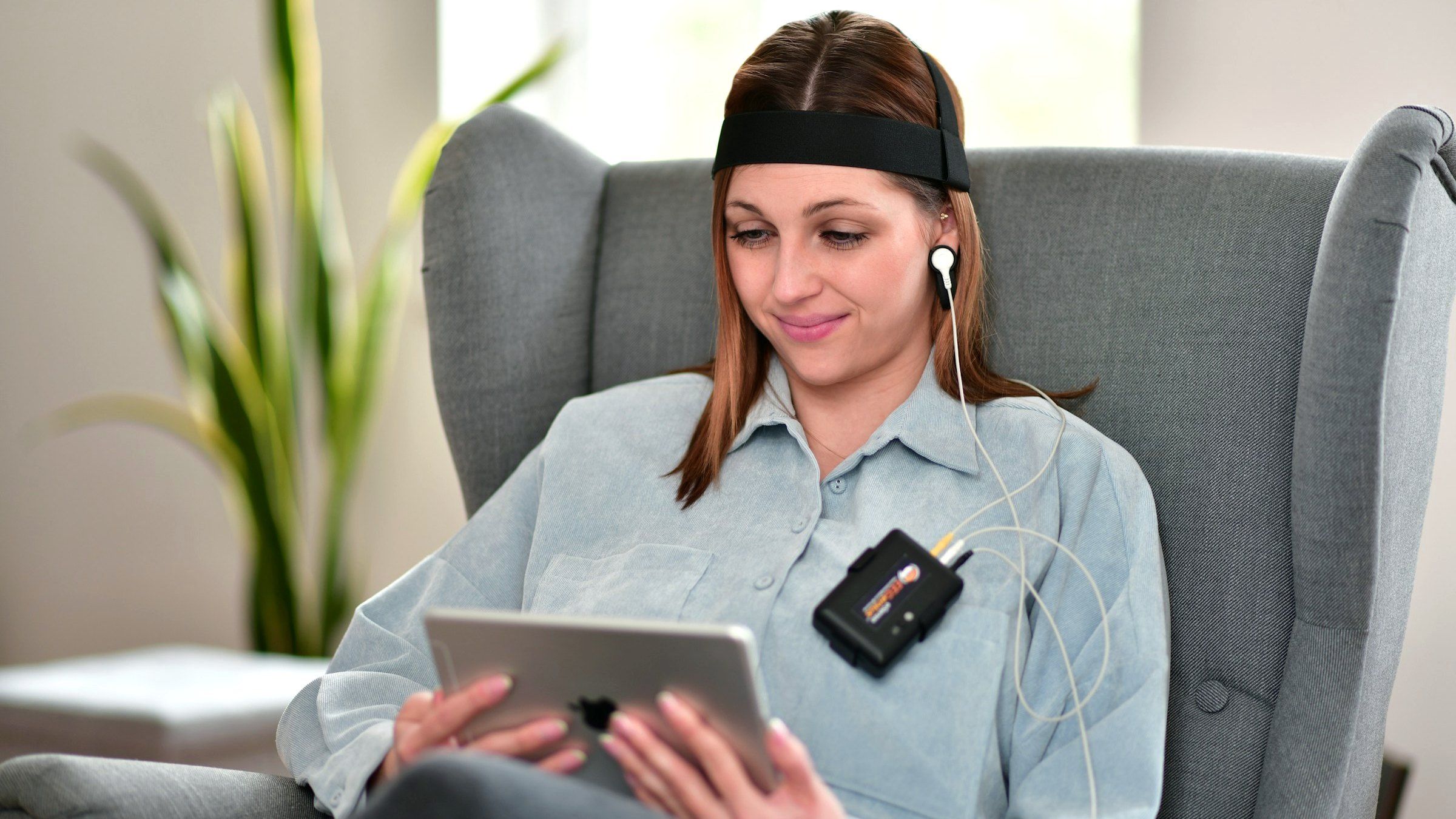
EMGMuscle activity from the EMG measurementNoraxon via Velamed
Visual field and sleepPerimetry and sleep analysis reportsOculus, SOMNOmedics
StandardsHL7, FHIR, GDT and DICOM wherever the device supports them.
Manufacturer interfaceExport, database or proprietary protocol – agreed with the manufacturer.
Datico® Agent at the deviceFor systems without a network interface, on Windows or Linux.
Patient, therapy and administration in the same timeline
Much of the important information is not produced by a device: it comes from conversations, manual tests and the patient’s own assessment. With Datico® Smart Forms you design your own forms for this – and the answers land in the same timeline as the device data.
Patient feedback
Through the Datico® Life App the patient gives regular feedback – scheduled, individually requested and tailored to the condition.
course of treatment
pain
therapy success
perceived exertion
body regions
Assessments and manual diagnostics
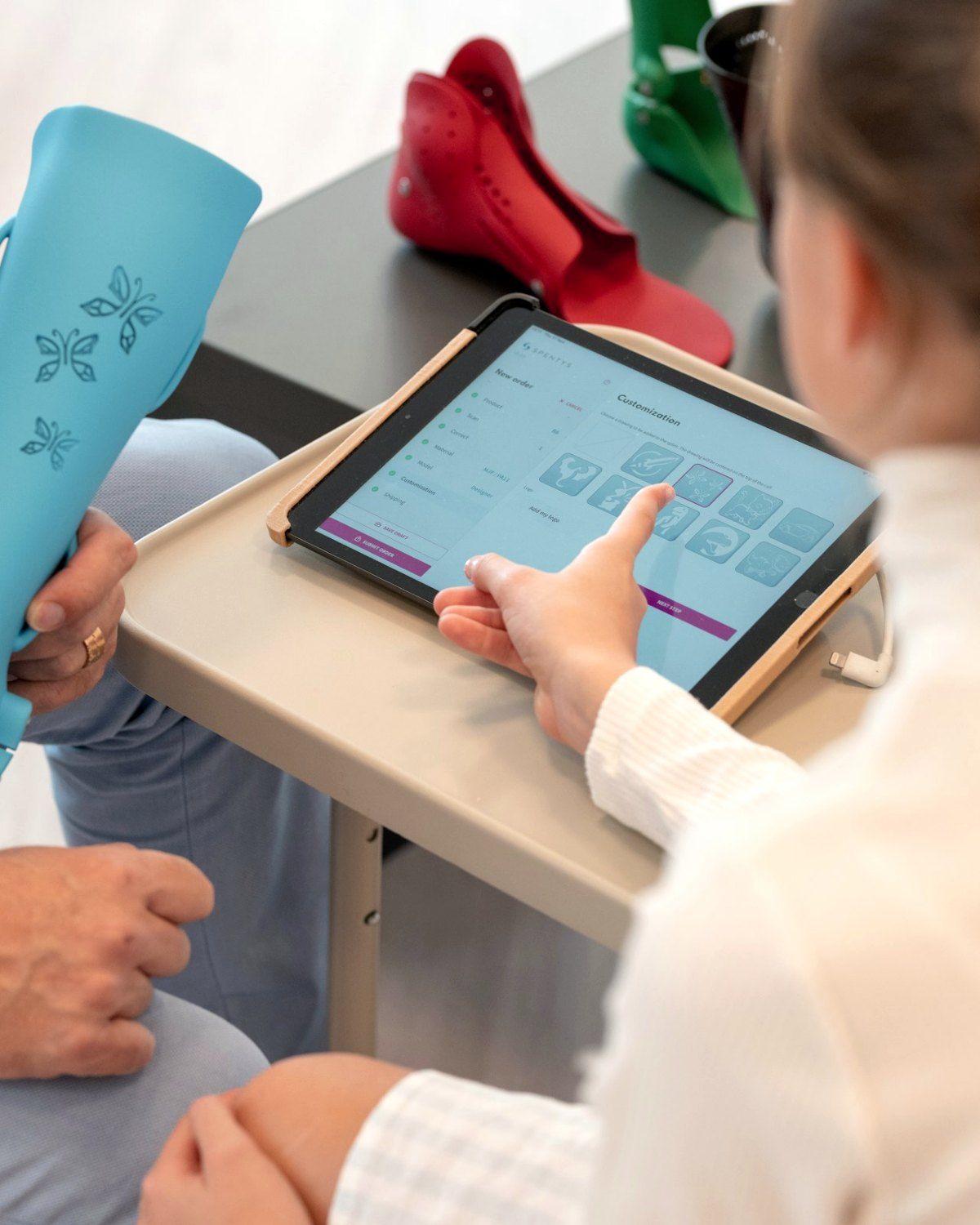
Your own capture forms for everything no device delivers digitally: manual tests, findings from therapy sessions and analyses, scales and assessments.
manual tests
scales
therapy session
assessments
Paperless administration
Organisational requests run digitally and directly within the process – from the first day to discharge.
Neurological conditions progress very differently. Which parameters show therapy progress depends on the condition and on the individual patient. In the Datico® Life Hub you define for each condition and each patient which values appear in the timeline – from devices, assessments and patient feedback alike.
After stroke
walking speed
arm function
balance
Parkinson’s disease
step length
balance
daily condition
Multiple sclerosis
walking distance
fatigue
visual field
Traumatic brain injury
resilience
sleep
self-assessment
Illustrative examples – your team makes the selection. With Datico® Target Profiles you compare measurements against stored reference values, and Datico® Custom Reports create the report for case reviews and discharge.
Step 4 · Alongside the HIS
A therapy subsystem – that also feeds the HIS
A hospital information system or administration system is built for admission, billing and the patient record, not for hundreds of readings per therapy session. The Datico® Life Hub complements it as the therapy subsystem: it takes over patient and case data, shows the course of therapy in far greater detail and returns the required reports to the HIS and the electronic patient record.
Mr Maurer, 58, six weeks after a stroke. His sessions on the gait trainer and the arm therapy device, the weekly assessments and the nursing entries are all in one timeline. In the case review, the team sees at a glance where he is making progress and where he is not, and the discharge report is produced much faster.
Reference
In use at NRZ Rosenhügel in Vienna
The Rosenhügel neurological rehabilitation centre, with 147 inpatient beds and 30 day-patient therapy places, connects its diagnostic and therapy systems with the Datico® Life Hub – independent of the manufacturer and automatically linked to the HIS.
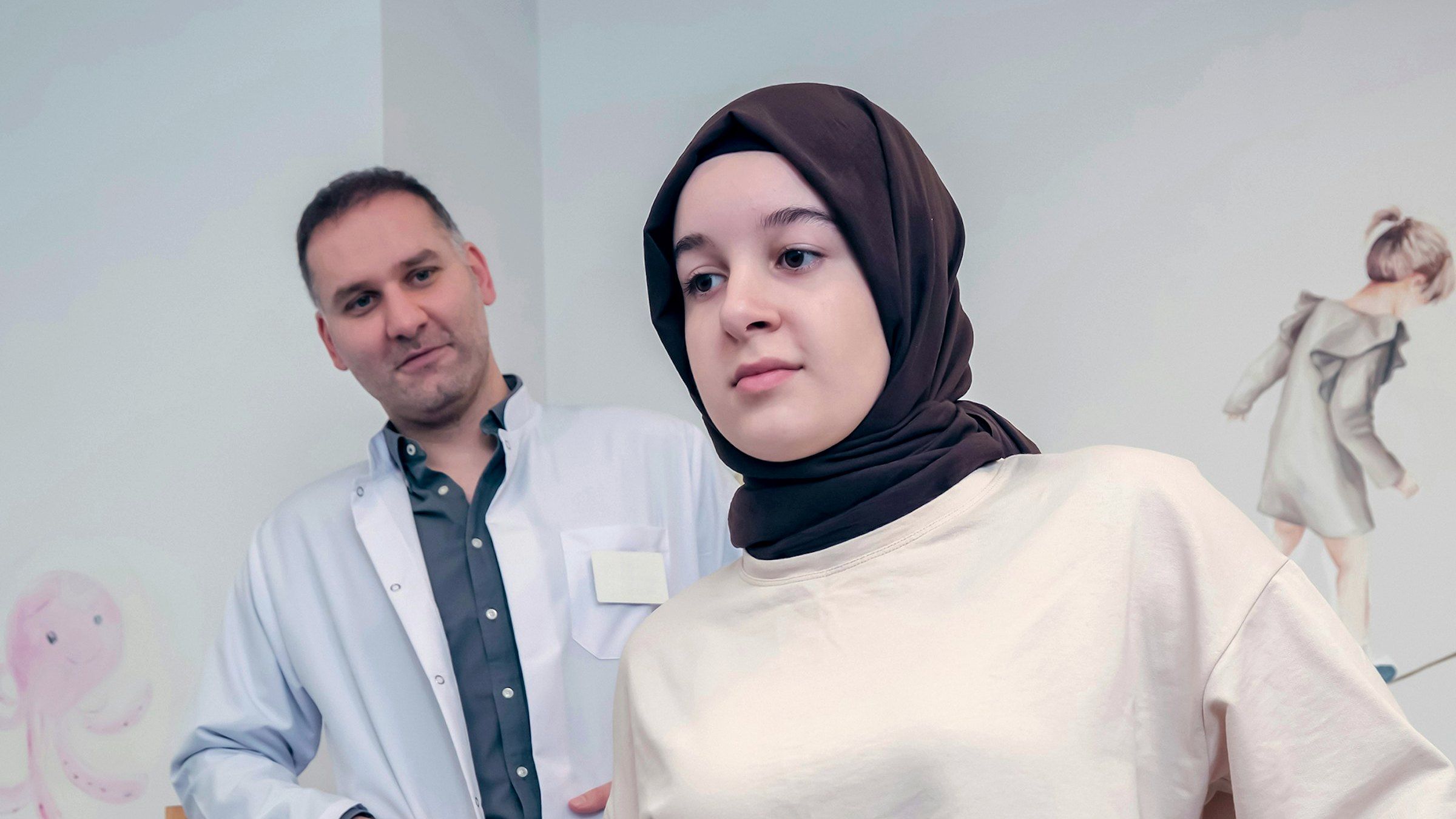
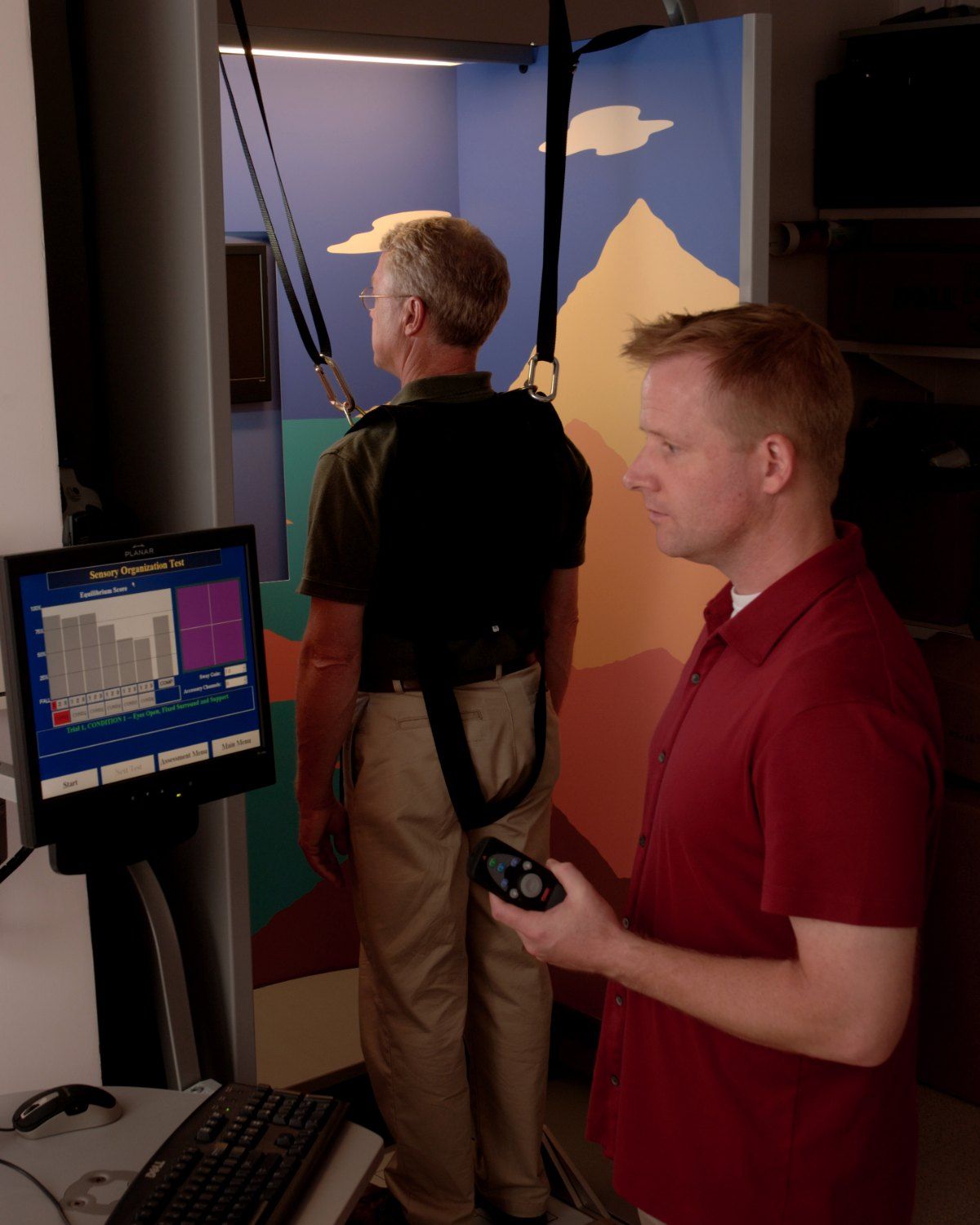
Posture and gait analysis: device data from BERTEC and BTS and the therapists’ assessments from Smart Forms are combined into a new, standalone report and passed to the HIS.
Isokinetics: force-time curves from Biodex are calibrated with an empty measurement and compared with a target profile.
Extended step by step with perimetry, treadmill gait analysis, sleep analysis, arm robotics and EMG.
The connection of tyromotion via a FHIR interface is currently being built as a pilot project.
The goal is a growing treatment database for neurological rehabilitation.
“With the Datico® Life Hub, we can now bring the data from our diagnostic systems and the assessments of our therapists together into a single report – instead of exporting it from many systems individually. For gait and balance analysis this is real progress, and it lays the foundation for our treatment database.”
Wednesday, 20 January 2027 · 09:30–10:15 CET · online
Webinar in German
For all sectors
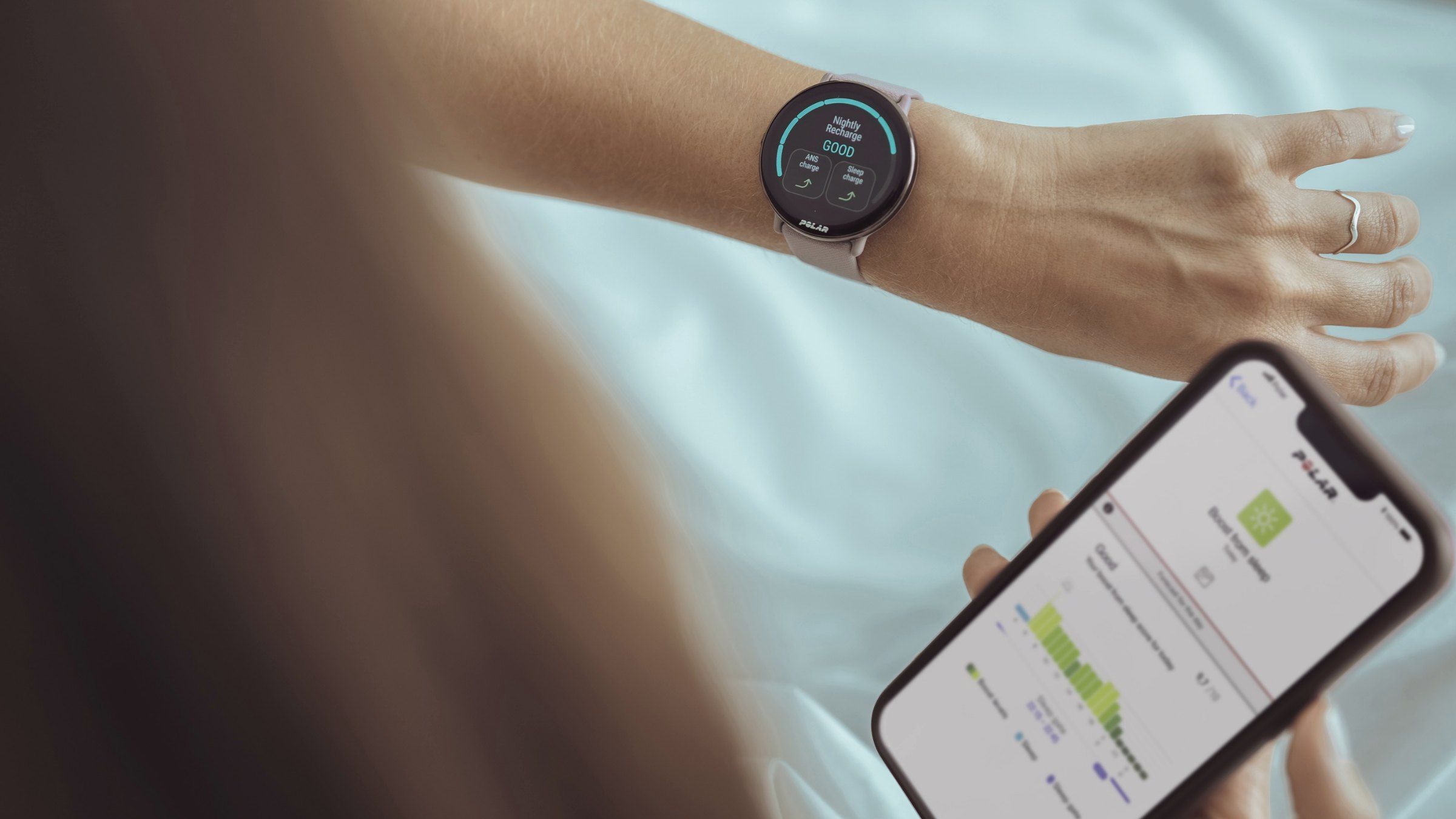
Polar × Datico®: connecting wearable data in a privacy-compliant way – and putting it to intelligent use
Connecting Polar wearables from the Loop to the H10 in a GDPR-compliant way – without the Polar cloud if required – and analysing the data to study standard.
Sabine WeberKnee replacement · day 21 after surgery
After therapy: pain 3/10
Pain (NRS), last 14 days
Wednesday, 24 March 2027 · 10:30–11:15 CET · online
Webinar in German
For all sectors
Smart Forms and the Datico® Life App: feedback straight from patients, athletes and participants
Designing your own questionnaires and capture forms, sending them on schedule or triggered by events via the Datico® Life App and analysing the answers in the timeline.
Build your own solution. We provide the secure foundation.
With AI, an interface is built in days today. The Datico® Life Hub makes sure it runs in a legally sound way: with sign-in, roles and permissions, consents, audit trail and hosting in Germany. That is how a quickly built interface becomes an application you can run securely every day.
Which neurorehabilitation devices can Datico® connect?
Datico® connects therapy and diagnostic systems independently of the manufacturer, including gait and arm robotics (e.g. Hocoma, tyromotion), treadmill gait analysis (Zebris, h/p/cosmos), posture and motion analysis (BERTEC, BTS Bioengineering), isokinetics (Biodex), EMG (Noraxon via Velamed), perimetry (Oculus) and sleep analysis (SOMNOmedics). Further systems are connected via standards, manufacturer interfaces or the Datico® Agent.
Does Datico® replace the HIS or the electronic patient record?
No. The Datico® Life Hub works as the therapy subsystem alongside the HIS. It shows the course of therapy in detail and supplies the HIS and the electronic patient record with the reports and data they need.
How do reports from Datico® get into the HIS?
Via the Datico® HIS Connector, for example using HL7 or FHIR. Datico® can combine device data and therapists’ input into a new, consolidated report instead of merely forwarding individual PDF reports. Patient and case data and orders come from the HIS in the other direction.
What if a device has no standard interface?
Then we use the manufacturer’s interface – such as an export, a database or a proprietary protocol – or agree one together with the manufacturer. For devices without a network connection, the Datico® Agent runs directly at the device on Windows or Linux. The aim is always to take over the individual readings, not just the report.
How do patients give feedback on their therapy?
Through the Datico® Life App. With Datico® Smart Forms you decide which questions the patient receives and when – for example on pain, perceived exertion, therapy success or complaints in specific body regions, tailored to the condition. The answers appear in the same timeline as the device data.
Can we map our own assessments and forms?
Yes. With Datico® Smart Forms you design your own capture forms for manual tests, scales and findings from therapy sessions – as well as for administrative requests such as medical history forms, data protection consent or meal preferences.
Where is the data stored?
The Datico® Life Hub is hosted in Germany in compliance with the GDPR. The data stays under your institution’s control, with roles and permissions, consents and a complete audit trail.
Where is Datico® used in neurorehabilitation?
For example at the Rosenhügel neurological rehabilitation centre in Vienna. Systems from BERTEC, BTS Bioengineering, Biodex, Oculus, Zebris, h/p/cosmos, SOMNOmedics, Hocoma and Noraxon (via Velamed) are connected there; the connection of tyromotion via FHIR is being built as a pilot project.
Markus StadlerManaging Director, Datico®
Let’s talk about your organisation.
“In 30 minutes we clarify what you want to achieve and which of your devices we will connect. Personally and without a sales loop.”
Necessary cookies are always active. We only load analytics, marketing and external content (videos, booking calendar) with your consent. Find out more in our privacy policy.
Cookie settings
Necessary
Session cookies for basic website functions. Cannot be disabled.
Always active
Analytics
Google Analytics 4 for pseudonymised analysis of website usage, delivered via Google Tag Manager.
Marketing
Identification of the visiting company based on its IP address (Leadfeeder); when you submit a form, Leadfeeder links the visit history to your contact details. Also conversion tracking.